Trade Certifications
How to Get a CDL in 2026: Costs, Steps, and $57,440 Pay

- Training tuition
- $3,000–$8,000
- Median pay
- $57,440
- Time to earning
- ~2 months
- Verdict
- Class A, self-funded if you can
Getting a CDL is one of the fastest legit paths to a middle-class income in America. You can go from zero experience to earning around $50,000 a year in about two months, and the median pay for tractor-trailer drivers is $57,440.
The full ride costs $3,000 to $8,000 at most schools, or nothing upfront if a trucking company pays your way. Here's exactly how it works in 2026, including the parts recruiters don't advertise.
CDL classes: A, B, and C explained
There are three CDL classes, and the one you pick decides what you can drive and what you can earn. Most people should get a Class A, full stop.
| Class | What you can drive | Typical vehicles | Why pick it |
|---|---|---|---|
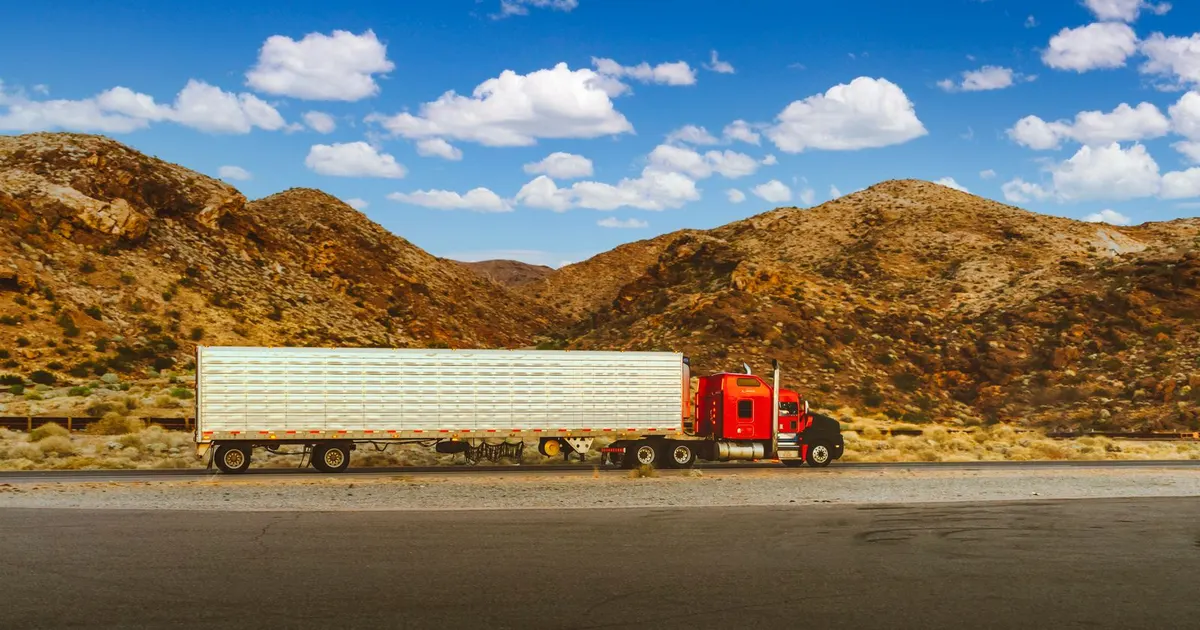
| Class A | Combination vehicles with a gross weight of 26,001 lbs or more, towing a unit over 10,000 lbs | Tractor-trailers, tankers, flatbeds, livestock carriers | Highest pay, most job options, covers Class B vehicles too |
| Class B | A single vehicle of 26,001 lbs or more (towed unit under 10,000 lbs) | Dump trucks, box trucks, buses, cement mixers | Local work, home daily, but lower ceiling |
| Class C | Smaller vehicles carrying 16 or more passengers or placarded hazmat | Passenger vans, small hazmat trucks | Niche roles only |
A Class A costs about the same as a Class B to earn but opens far more doors. The only reason to go Class B first is if you already have a specific local job lined up, like a dump truck or transit gig.
▶ How To Get a CDL Class A License (Step-By-Step Guide) (YouTube)
The federal requirements you can't skip
Three rules apply no matter which state you're in. Miss any of them and your application stops cold.
Age. You need to be 18 to drive within your state (intrastate) and 21 to cross state lines (interstate). Since most over-the-road jobs are interstate, drivers under 21 are mostly limited to local work.
The DOT physical. A certified medical examiner checks your vision, hearing, blood pressure, and general health, then issues a Medical Examiner's Certificate that's valid for up to 24 months. It costs about $50 to $150, and you'll need it before you can even test.
Entry-Level Driver Training (ELDT). Since February 7, 2022, every first-time CDL applicant must complete theory and behind-the-wheel training from a provider listed on the FMCSA's Training Provider Registry before taking the skills test. You can read the actual rule at FMCSA's ELDT page. This killed the old "have your uncle teach you in a parking lot" route — training through a registered provider is now mandatory.
The step-by-step process
The path is the same everywhere, with minor state-level differences in fees and paperwork.
- Pass your DOT physical and get your medical certificate.
- Study for and pass the knowledge tests at your state DMV to get your Commercial Learner's Permit (CLP). Expect general knowledge plus air brakes and combination vehicle tests for Class A.
- Hold the CLP for at least 14 days. This is a federal rule — you can't take the skills test sooner, no matter how ready you feel.
- Complete ELDT training through a registered provider (your CDL school handles this automatically).
- Pass the three-part skills test: pre-trip inspection, basic vehicle control, and the road test.
- Pay your state's license fee and walk out with your CDL.
The knowledge tests are where most people stumble first. Take the free practice tests your state DMV publishes — the questions on test day are very close.
What it actually costs in 2026
Here's the honest breakdown across the three ways people pay for training.
| Path | Upfront cost | Time to CDL | The catch |
|---|---|---|---|
| Private CDL school | $3,000-$8,000 (up to $10,000 in California and the Northeast) | 3-8 weeks | You pay, but you're free to work anywhere |
| Community college | About $1,500-$5,000 in-district | 8-16 weeks | Cheapest option but slowest |
| Company-sponsored | $0 upfront (some pay you around $600/week during training) | 3-6 weeks plus on-road training | 6-18 month work contract |
On top of tuition, budget $200 to $500 for state fees — the permit, testing fees, and the license itself — plus $50 to $150 for the physical. Southern and Midwestern schools tend to run $3,500 to $6,000, so relocating for a cheaper program rarely pays off once you count living costs.
My take: if you can wait 8 to 16 weeks, the community college route is the best deal in trucking. You get more seat time, no debt, and no strings attached.
Company-sponsored training: free, with an asterisk
Carriers like Roehl, Schneider, Prime, and Swift will train you for free and some even pay you during school. For someone with no savings, this is a real door into the industry.
But read the contract before you sign anything. You're committing to drive for that company for 6 to 18 months (12 is typical), and if you quit early, you'll owe $3,000 to $10,000 in training costs. Companies can deduct it from your final paycheck and send the rest to collections.
The other quiet catch is pay. Contract drivers usually earn below-market rates during the commitment period — that's how the company recoups the training. It's not a scam, but it's not free either. You're paying with 12 months of reduced wages instead of cash.
What truck drivers actually make
Per the Bureau of Labor Statistics, heavy and tractor-trailer truck drivers earned a median of $57,440 in May 2024. The bottom 10 percent made under $38,640 and the top 10 percent cleared $78,800.
Your first year will land near the bottom of that range — figure $45,000 to $55,000 at most starter carriers. That's the toll booth everyone pays. After a year of clean driving, your options multiply fast: dedicated routes, LTL carriers, tanker work, and union jobs that pay $70,000 to $90,000 or more.
The job outlook is steady too. BLS projects about 237,600 openings per year through 2034, driven mostly by drivers retiring or leaving. Trucking is one of the strongest examples of certifications that pay well without a degree, because the barrier to entry is measured in weeks, not years.
Endorsements that raise your pay
Endorsements are add-ons to your CDL that let you haul specialized freight, and they're the cheapest raise you'll ever buy.
Hazmat (H) requires a TSA background check ($85.25 as of 2025, or $41 if you hold a valid TWIC card), fingerprinting, and a knowledge test. All-in, expect roughly $150 to $275 including the required training.
Tanker (N) is just a knowledge test, usually $10 to $50 depending on your state. Combine it with hazmat and you get the X endorsement — the combo that fuel haulers need.
Doubles/triples (T) is another cheap knowledge test that qualifies you for LTL carriers like FedEx Freight and Old Dominion, which are among the best-paying jobs in trucking.
The payoff is real, but be careful with the numbers people quote you. BLS does not publish hazmat or tanker driving as a separate occupation, so any precise "endorsements add $X" figure you see is scraped from job-board self-reports, not from wage survey data. What the BLS numbers do show is a top 10 percent clearing $78,800, and endorsed freight is where a large share of those seats are. For a couple hundred dollars in fees, that's a cheap ticket into the better half of the pay range.
The honest downsides
I'd be lying if I told you trucking is easy money. Here's what the recruiting ads leave out.
You'll be gone a lot. Over-the-road drivers are typically out 2 to 4 weeks at a time, sleeping in the truck. Home-daily jobs exist, but they mostly go to drivers with a year or more of experience.
The first year is a grind. Low starter pay, unpaid waiting at docks, and the stress of learning to back a 53-foot trailer in the dark. Turnover at big starter carriers is famously high, and a lot of new drivers quit before month twelve — right before the job starts getting good.
Your health takes work. Long sitting hours, truck stop food, and irregular sleep are real occupational hazards. The drivers who last treat fitness like part of the job.
One mistake follows you. A DUI in your personal car disqualifies your CDL for at least a year. A second major offense is a lifetime ban with a possible reinstatement after 10 years. Your license is your paycheck, so it carries higher stakes than a regular one.
If the lifestyle sounds wrong for you but you still want quick, certifiable skills, warehouse work through a forklift certification gets you working in days and keeps you home every night. If you'd rather learn a trade with a real ceiling, EPA 608 certification gets you into HVAC for under $100.
The route I'd take
Get the Class A, and pay for school yourself if you possibly can — community college if you have the time, a private school if you don't. You'll keep your freedom to chase the best-paying job the day you're licensed, and you'll break even on tuition within months.
Use company-sponsored training only if you genuinely can't fund school any other way, and treat the contract like the loan it really is. Stack the tanker endorsement early, add hazmat once you've got some miles, and grind out that first year. The drivers who make it to year two are the ones earning $70,000-plus while their classmates are back to square one.
Frequently asked
How much does it cost to get a CDL?
Plan on $3,000 to $8,000 for tuition at a private CDL school, with the national average around $5,500. Add roughly $50 to $150 for the DOT physical and $200 to $500 in state permit, testing, and license fees. Company-sponsored programs cost nothing upfront but lock you into a work contract.
How long does it take to get a CDL?
Most full-time private CDL programs take 3 to 8 weeks from your first class to your license. Community college programs run longer, usually 8 to 16 weeks. Federal rules also require you to hold your commercial learner's permit for at least 14 days before you can take the skills test.
Can I get my CDL for free?
Yes, through company-sponsored training at carriers like Roehl, Schneider, and Prime. The catch is a work commitment of 6 to 18 months, and if you quit early you'll typically owe $3,000 to $10,000 in training costs, which can be pulled from your final paycheck or sent to collections.
How much do truck drivers make?
The BLS reports a median of $57,440 per year for heavy and tractor-trailer truck drivers as of May 2024. The bottom 10 percent earn under $38,640 and the top 10 percent earn more than $78,800. Specialized work like hazmat tanker hauling sits at the top of that range, though BLS does not break it out as a separate occupation.
What disqualifies you from getting a CDL?
The big ones are a DUI (even in your personal car), refusing a drug or alcohol test, using a commercial vehicle to commit a felony, and leaving the scene of an accident. A first major offense means at least a one-year disqualification. You also need to pass a DOT physical, so certain untreated medical conditions can block you.
Is getting a CDL worth it?
If you want a stable income without a degree and can handle time away from home, yes. You can go from zero experience to a $50,000-plus job in about two months for under $8,000, which very few career paths can match. Just know the first year is the hardest, and many new drivers quit before they hit the good-paying jobs.
Sources for the figures on this page
- U.S. Bureau of Labor Statistics — Heavy and Tractor-trailer Truck Drivers — retrieved 11 Aug 2026
- FMCSA — Entry-Level Driver Training rule — retrieved 11 Aug 2026